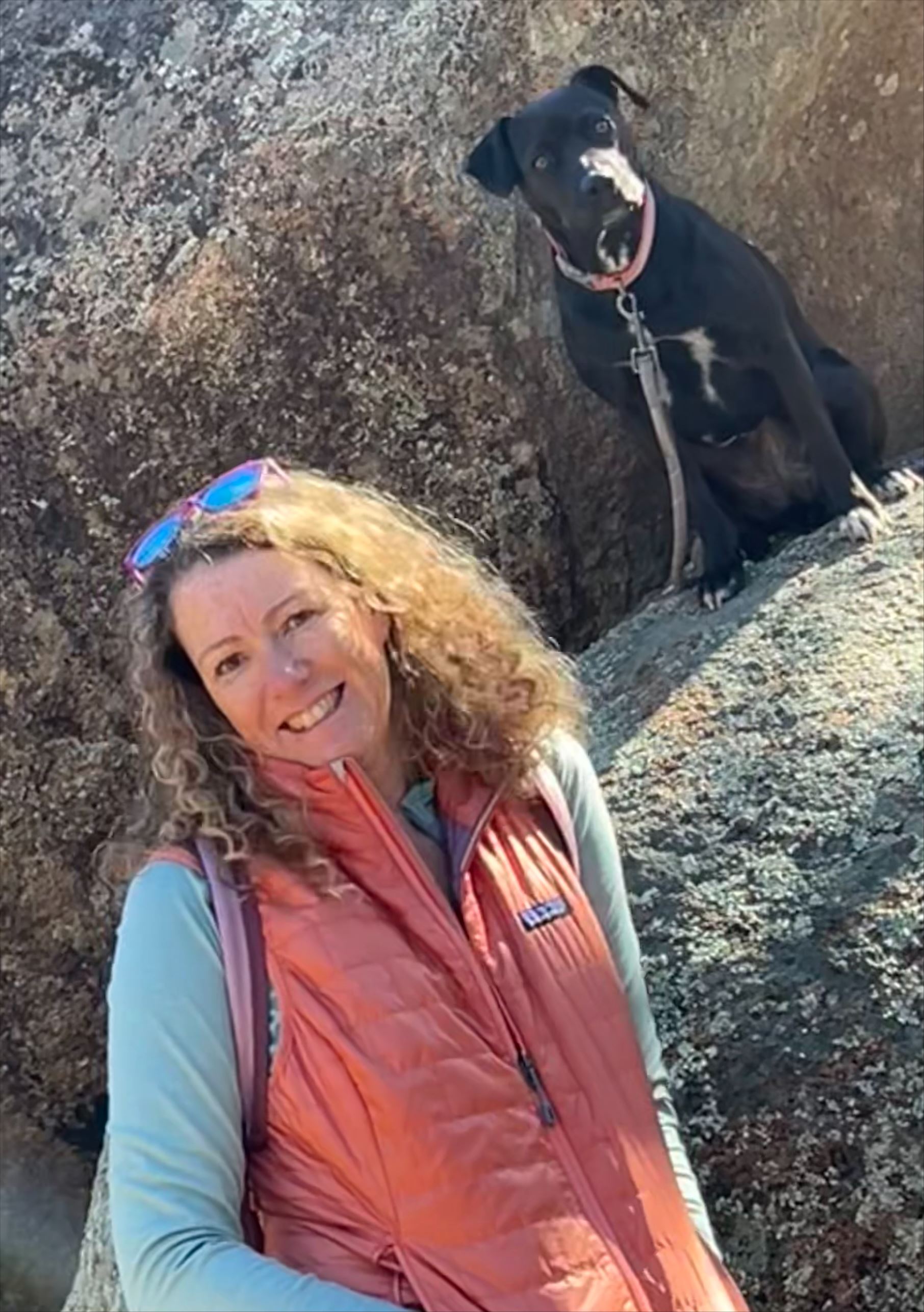
 What attracted you to the transportation industry?
My route into the transportation industry was circuitous, by way of demography and population studies. I went to graduate school for Community and Regional Planning and it was through my Statistics Professor, Dely Alcantara, also the State Demographer, that I became interested in understanding population dynamics. Shortly after I started work with MRCOG I was able to put the skills I had learned from Dely to use by analyzing growth patterns in the region. From there I got hooked on how growth and transportation planning were interrelated and over time have become directly involved in all facets of transportation planning.
What has been your greatest professional achievement?
I would say that one aspect of my work that I am proud of has been in being able to evolve and adapt with this ever-changing industry. I have been with the COG for over 20 years, and have experienced fast paced population growth, a housing boom, large job announcements, the Great Recession, the rise of smart technology including self-driving vehicles, carbon monoxide nonattainment status and rising ozone levels, a spike in traffic crashes and pedestrian fatalities, and an affordable housing crisis. In addition, the pandemic has shifted transportation patterns tremendously. It’s been a wild ride and I hope I can look back and say we’ve been able to keep up with the changing needs of the industry over time.
How have women made a difference in the transportation industry?
I have seen the industry become much more inclusive, and strong women in planning are a big part of that. Among the transportation staff here, it’s been very cool to see more of the interpersonal relationships approach, honest dialogue and openness.
What was the biggest influence in your selection of a career in transportation?
The uniqueness of Albuquerque and watching how it has grown has really shone a light onto how important transportation is to our quality of life. Transportation as an industry may not generate tremendous excitement to the average person, but they do care about how long they spend in traffic, how safe they feel crossing a road or riding their bike, about the quality of the air they breathe or being able to get to medical care or groceries so they can get dinner on the table. Simply put, transportation is a means to an end, and when I began to understand all the little ways that it makes our lives better (or worse) I knew I was in the right profession.
What is your favorite aspect of your job?
For me, it’s all about relationships, and the people I work with are hands down my favorite thing about my job. The amazing and talented transportation staff at the Metropolitan Planning Organization are a pleasure to work with, and we’ve been through a lot together, but we have fun and celebrate each other! Also, the policy makers and staff from our member agencies who ask the important questions keep me challenged and on task. The topic of transportation is interesting for sure, but it is the people who keep me coming back.
What lessons have you been taught from the important women in your life that you have applied to your own life?
My mother instilled in me a sense of commitment and always encouraged me to do my best. My first mentor, Dely Alcantara, taught me to ask the right questions before tackling a project. She taught me so much about life and work ethics and showed me how to lead with integrity and humor. I surround myself with very strong women and am grateful that these friendships have taught me balance and compassion and how to show up in the world as ourselves. My daughters keep me grounded and are a lot of fun!
How have these lessons helped you succeed as a woman in transportation?
A strong work ethic helped me through the years of data analysis; when I had a data problem to solve I could not let it go until I was done. Later, as a manager I have really had to place attention on my interpersonal skills. It took a long time to figure out how to feel right as a leader. It was my friendships that helped me bring my whole self into the workplace, to understand that when I got to work my success depended on just being me, and not some idea I had of what a good leader should be.
What natural talents do you possess that help in your chosen career?
Honestly - I don’t worry about asking stupid questions. I’ve been doing it all my life! I would ask 100 questions before a 9th grade chemistry exam, and by some miracle, I’d ace it. My classmates wanted to kill me. This has served me well throughout life. Whenever I don’t understand something, I usually don’t hesitate to ask questions until I do. I think that has made me effective in being able to examine an issue from multiple angles before setting a path forward. It can save a lot of time down the road.
What part of your career story would you like to share with the world?
The most memorable moment of my career occurred in 2001 when I worked for an MPO in Boston. I had just arrived at work on September 11th when we were all alerted to the news that the Twin Towers had fallen in New York City, and that one of the planes had departed from Logan Airport. We were all completely stunned. Everything from that point on happened in slow motion. We were told that the public transportation system would be shut down to avoid further terrorist attacks. It was so surreal. People were flooding the streets, and there was both a sense of camaraderie - but at the same time – there was a strange quiet over the whole city.
How long have you been working for the company/organization? And what positions have you held prior to your current one?
I started working for MRCOG in January of 2002 as a Travel Demand Modeler. Shortly thereafter I moved into the position of Social Demographer. I went on to manage the Socioeconomic Program and now for the past 3 years, I have held the position of Transportation Planning and Technical Services Manager. My movement through the positions felt very natural. When I began at MRCOG I had a curiosity towards quantitative analysis. To be honest, I never considered management, and now I embrace the relationships and processes that go along with management. With the shifts in my role with the MPO I have constantly needed to learn, adapt, and stay on my toes, and that has kept me engaged and truly enjoying the work each day!
How does what you do/what the organization does make a positive impact in the community?
MRCOG is truly unique because it is the only planning agency with a regional focus. This brings with it an opportunity to fill an important need – to facilitate dialogue about regional issues. Water, economies, transportation, etc. do not stop at jurisdictional boundaries. It is the intersection of these realms across county and city lines where we make the greatest impact.
What do you think is needed to further attract women to the transportation workforce?
Without a doubt, the transportation industry is much more diverse than it might first appear. To be involved in transportation opens the door to critical inter-dependencies such as the environment and climate, economic development, smart technologies, housing development, land use policy, and so much more! Because of this, professionals entering the field can really blaze their own path, and you never have to worry about hitting a dead end because there are opportunities for endless twists, turns and tributaries along the way! After all, in life and in work, it’s all about the journey, right?
What advice would you give to someone wanting to enter this industry?
There are a lot of people who want to help you. One thing I value is sitting down with someone over coffee and making that face to face connection. Investigate the different facets, discover what makes you curious, then find the people that share those curiosities and build your tribe.
As told to Allyne Clarke, Marketing Manager, Rio Metro Regional Transit District.
